Key Takeaways
- Consider your specific security needs and lighting requirements to determine the right solar-powered light for your space.
- Look for lights with a high lumen output for brighter illumination and longer-lasting battery life.
- Choose weatherproof options designed to withstand outdoor conditions for reliable performance.
- Check for adjustable mounting options to customize the light’s placement for optimal coverage.
- Solar-charged lights are eco-friendly, cost-effective, and require minimal maintenance.
- Read customer reviews and compare features to ensure you select a reliable and durable product.
- Consider additional features like motion sensors or timer functions for enhanced security and energy efficiency.
At a glanceWhen choosing solar security lights, consider factors like brightness, battery life, and weather resistance. Look for lights with a high lumen count for better visibility and a longer battery life to ensure they charge adequately in all weather conditions. Check reviews and choose reputable brands for reliable performance.
With energy costs rising and environmental concerns growing, the shift towards sustainable lighting solutions has become more urgent than ever. Solar Security Lights offer a promising alternative, combining eco-friendliness with enhanced safety features for homes and businesses. However, choosing the right Solar Security Light can be a daunting task, given the array of options available. This article serves as a comprehensive guide, equipping you with the knowledge to navigate the market and select the ideal Solar Security Light tailored to your specific needs, ensuring both optimal performance and peace of mind.
Solar Security Lights in : Where to Start
Looking for solar security lights in ? the team at Solar Path USA serves the local area and can answer questions specific to .
Understanding Solar Security Lights: Features and Benefits
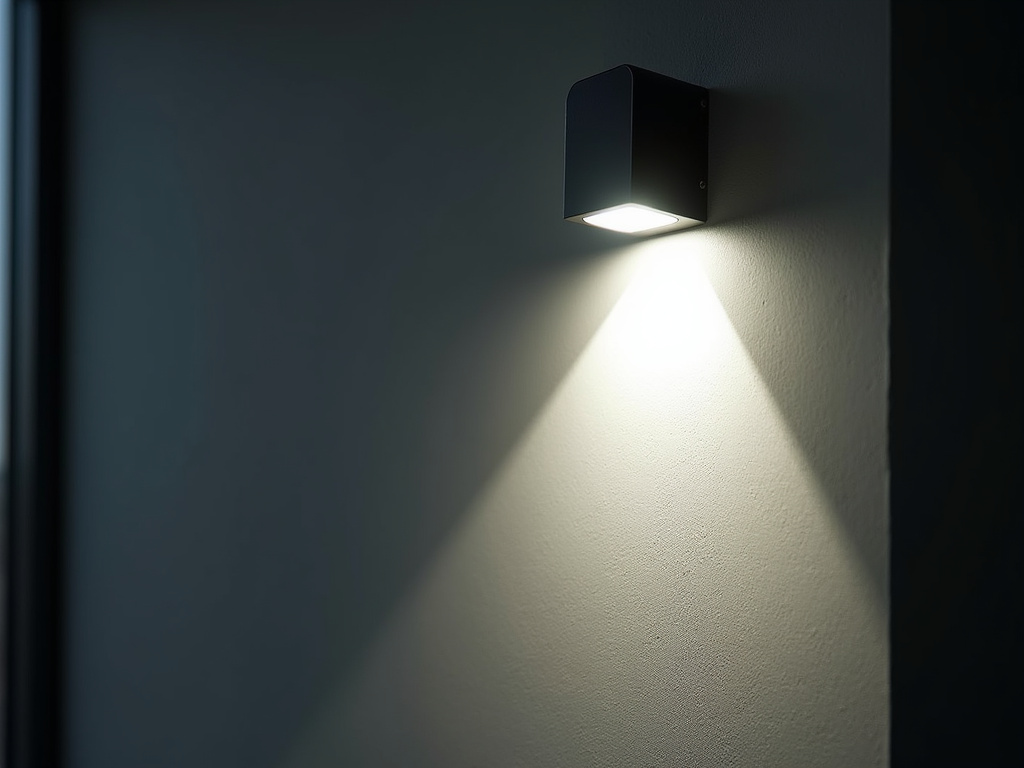
Solar Security Lights, as the name suggests, are outdoor lighting solutions powered by the sun, designed to enhance security and deter potential intruders. Understanding their features and benefits is crucial when considering an effective home security system. These lights offer a sustainable and cost-efficient approach to illuminating your property, ensuring a safer environment. One of their key advantages is the absence of electricity bills, making them an attractive green option. Additionally, they are easy to install, requiring no complex wiring, and can be strategically placed to provide optimal coverage.
The typical Solar Security Light incorporates advanced technology, such as high-efficiency solar panels, powerful LED lighting, and sensitive motion sensors. These sensors trigger the lights automatically when detecting movement, providing a powerful deterrent. Modern designs also feature adjustable lighting modes, allowing users to customize the lighting effect and battery life. Some models even offer remote control functionality, enabling users to monitor and control the lights from a distance. However, when considering Solar Security Lights, it’s essential to understand potential pitfalls. For instance, certain models may have limited battery life during cloudy days or prolonged periods of darkness, affecting their reliability.
What sets apart a quality Solar Security Light from alternatives like traditional solar lights or motion-activated LED lights is its specific focus on security and automation. While traditional solar lights are ideal for general outdoor illumination, they may not offer the same level of security features. Motion-activated LED lights, though effective, often rely on electricity and may not be as environmentally friendly. Solar Security Lights strike a balance, providing both sustainable energy and advanced security solutions. They are particularly useful in remote areas without access to a power grid, offering a self-sufficient lighting and security system. Ultimately, the decision to invest in Solar Security Lights should be based on individual needs, considering factors like lighting requirements, budget, and environmental impact.
Evaluating Options: Key Factors to Consider When Buying
When considering solar security lights, evaluating options requires a strategic approach to ensure you select the most suitable product for your needs. A key factor is understanding what exactly these lights entail and how they work. Solar security lights are designed to automatically turn on at dusk, using sunlight during the day to charge their batteries. This eco-friendly solution offers enhanced outdoor lighting while promoting energy independence.
The process involves assessing various factors such as lumens (measuring brightness), wattage equivalence, and coverage area. It’s crucial to consider the size of the area you want illuminated—a common pitfall is choosing lights that don’t provide sufficient coverage for larger spaces. Additionally, look into sensor types; passive infrared (PIR) sensors detect heat from moving objects, while solar-charged motion sensors activate upon movement and are often more sensitive.
What problems should you avoid with solar security lights? One common issue is excessive false triggers, leading to unnecessary energy consumption and reduced battery life. To prevent this, opt for models with advanced sensor technology and adjustable sensitivity settings. Another consideration is weather resistance; choose lights designed for outdoor use in your specific climate conditions. Regular maintenance, like cleaning the panels, also ensures optimal performance over time. By carefully weighing these factors, you can make an informed decision when purchasing solar security lights.
| Factor | What to know |
|---|---|
| Brightness (Lumens) | Higher lumen output gives brighter illumination and better visibility |
| Battery Life | Ensure adequate charge to perform reliably in all weather conditions |
| Weather Resistance | Pick weatherproof lights built to withstand outdoor climate conditions |
| Sensor Type | PIR or solar motion sensors detect movement; adjustable sensitivity reduces false triggers |
| Mounting Placement | Install with unobstructed sunlight exposure, like rooftops or open gardens |
| Coverage Area | Match light coverage to the size of the space being illuminated |
Installation and Maintenance: Maximizing Performance of Solar Security Lights
Choosing the right solar security lights involves understanding not just their specifications, but also the installation and maintenance requirements to maximize their performance. Before you do you actually need solar security lights, consider your security goals, the layout of your property, and the local climate. Solar security lights are particularly beneficial for remote areas without access to a traditional power grid or for reducing energy costs and environmental impact. However, poorly installed or maintained solar security lights can be ineffective or even counterproductive.
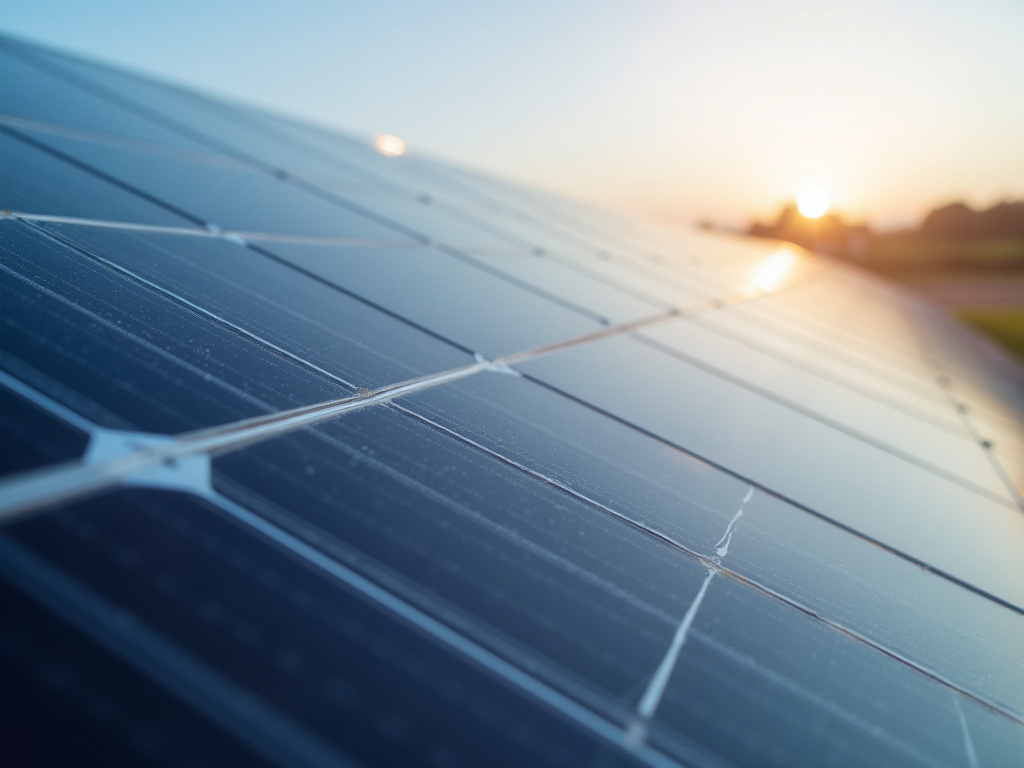
One of the primary problems to avoid with solar security lights is inadequate sunlight exposure. These lights rely on solar panels to charge during the day, so placement is crucial. Ensure the lights are installed in areas with unobstructed access to direct sunlight for most of the day, especially during the winter months when days are shorter. For instance, mounting them near the peak of a roof or in a sunny, open garden bed can maximize their charging efficiency. Additionally, some models have adjustable panels, allowing you to tilt them towards the sun for optimal charging.
Another issue to steer clear of is poor ground preparation, which can lead to unstable installations. Solar security lights need sturdy mounting to withstand various weather conditions. When installing, make sure the area is level and the soil is properly prepared to support the weight of the light and its mounting hardware. Using concrete anchors or other suitable fixing methods will prevent the lights from shifting or tilting over time, ensuring they function at peak performance and preventing potential safety hazards. Regular maintenance, including cleaning the solar panels and replacing any worn-out components, is also vital to qualify for the full benefits of solar security lights.
Frequently Asked Questions About how to choose Solar Security Lights
What are the key features to consider when buying solar security lights?
When selecting solar security lights, look for key features like lighting intensity (measured in lumens), motion detection range and sensitivity, and weather resistance. Check the battery capacity and charging time, as these impact the light’s runtime during periods of minimal sunlight. Also, consider the light’s design and mounting options to ensure it suits your security needs and outdoor space.
How do solar security lights work?
Solar security lights harness energy from sunlight during the day through their solar panels. This energy is stored in a rechargeable battery, which then powers the lights at night. Motion sensors trigger the lights when movement is detected, providing a bright, immediate deterrent to potential intruders.
What are the benefits of using solar security lights?
Solar security lights offer several advantages. They are environmentally friendly, as they rely on renewable energy, and they require minimal maintenance compared to wired lights. They are also cost-effective, as they eliminate electricity bills, and provide a powerful security solution with their automatic activation and bright illumination.
How far should solar security lights detect motion?
Motion detection range varies by model, typically ranging from 16 to 30 feet (5 to 10 meters). For optimal security, choose a light with a motion detection range that covers the area you want to protect, considering potential blind spots.
Can solar security lights be mounted at different heights?
Most solar security lights are designed for pole mounting, allowing you to adjust the height to suit your needs. Some models also offer wall or ceiling mounting options. Consider the lighting requirements of your space and choose a mounting option that provides the best visibility and coverage.
Are solar security lights suitable for all climates?
Many solar security lights are designed to be weather-resistant, able to withstand varying temperatures and precipitation. However, for extreme weather conditions, look for lights with a higher IP (Ingress Protection) rating, indicating better protection against water and dust penetration.
How do I clean solar security lights?
Regular cleaning ensures optimal performance. Use a soft brush or cloth to gently wipe down the solar panel and light housing. Remove any debris or dust accumulated over time. Be sure to let the lights dry thoroughly before reinstalling them.
Choosing Solar Security Lights shouldn’t be a daunting task; with the right knowledge, you can select the perfect solution for your needs. Key insights include understanding the essential features and benefits of these lights, such as their energy efficiency and automatic activation. When evaluating options, consider factors like lighting output, weather resistance, and battery capacity. Installation and maintenance are crucial for optimal performance—proper placement ensures maximum sunlight exposure while regular cleaning maintains efficiency. By following these guidelines, you’ll not only enhance your property’s security but also contribute to sustainability. Next steps include comparing specific models based on your unique requirements and installing them strategically to fully leverage the power of Solar Security Lights.