
At a glanceSolar security lights are an eco-friendly solution for bus stations, providing illumination and deterring crime. They harness the power of the sun, eliminating electricity costs. Installation is typically quick, taking one to two days, and they require minimal maintenance. These lights offer a sustainable and cost-effective way to enhance safety and security at bus stops, appealing to environmentally conscious transportation authorities.
Key Takeaways
- Solar security lights offer a cost-effective and sustainable alternative to traditional lighting, reducing energy bills and carbon footprint.
- Installation times typically range from one to two days, making them a quick solution for enhancing security.
- LED technology ensures longer lifespan and lower maintenance costs compared to halogen or incandescent bulbs.
- Motion sensors can detect movement up to 30 feet away, providing optimal illumination only when needed.
- Customizable lighting patterns and remote control allow for versatile and efficient security solutions.
- The lights can deter potential intruders and serve as a deterrent in areas with high crime rates.
- Regular cleaning and inspection ensure optimal performance and longevity of the solar panels and lighting system.
The integration of lights into urban spaces is transforming public safety and efficiency. As cities seek smarter, more sustainable solutions, these lights offer a promising approach. However, the initial challenge lies in the installation and maintenance of this technology, especially in large-scale deployments. We'll examine the installation and maintenance processes, drawing on the expertise of professionals from the Solar Installers Association and Eco-Friendly Solutions, to ensure a practical guide for both cities and contractors.
- Understanding Lights: Benefits and Types
- Installation Guide: Step-by-Step Process for Solar Lights
- Maintenance and Troubleshooting: Extending Your Solar Light's Lifespan
Understanding Solar Security Lights: Benefits and Types

Solar Security Lights: Where to Start
Looking for solar security lights? Solar Path USA solar security lights can answer your questions directly.
Lights offer a compelling blend of environmental benefits and enhanced security for homes and businesses. These lights harness the power of the sun, eliminating the need for grid electricity, and providing a cost-effective, sustainable solution. Unlike traditional security lighting, solar-powered options are quiet, require minimal maintenance, and can be strategically placed to deter potential intruders.
There are several types of lights available on the market, each with unique features. Some models feature adjustable heads that allow for customization of light direction and coverage. Others come equipped with advanced motion sensors that activate only when movement is detected, conserving battery life. When selecting the best solar-powered security light, consider factors such as light output, motion sensor sensitivity, and weatherproofing. However, the downside of solar lights is their initial cost, which can be higher than traditional lighting. However, the energy savings and reduced maintenance costs over time often make them a worthwhile investment.
The question of whether solar motion sensor lights are worth it is a common one. For many, the answer lies in the long-term savings and convenience they offer. By eliminating the need for electrical outlets, these lights can be installed almost anywhere, providing a consistent security boost. Their energy efficiency makes them an eco-friendly choice. For businesses, lights can reduce electricity bills and provide a layer of protection against unauthorized access. The decision to invest in lights depends on individual preferences, budget, and environmental considerations.
Installation Guide: Step-by-Step Process for Solar Lights

Installation Guide: Achieving the Benefits of Solar Security Lights
The transition to solar-powered security lighting offers not only a sustainable solution but also a robust and cost-effective way to enhance your home’s safety. While the concept may seem straightforward, a proper installation process ensures optimal performance and longevity. This step-by-step guide aims to demystify the process, providing valuable insights for do-it-yourselfers or when hiring professionals like Green Energy Pros or members of the Solar Installers Association.
Step 1: Site Assessment and Planning
Start by evaluating your property’s solar potential. SunSaver Technologies and Lumina Solar Systems offer advanced tools to analyze your location and determine the ideal placement for solar panels. Consider factors like sunlight exposure, shading from trees or buildings, and the orientation of your property. Facing south or west typically maximizes sunlight exposure during the day. Once you’ve identified suitable areas, plan the layout, ensuring space for both the panels and the lighting fixtures themselves.
Step 2: Equipment Preparation
Lights, such as those from Eco-Bright Solar and SolarGuard Lighting, come with all necessary components. Unpack the kit and familiarize yourself with the parts, including solar panels, batteries, a charge controller, and the lighting fixture. Ensure each component is in working order and understand their functions. This preparation ensures a smoother installation process and reduces the likelihood of unexpected issues.
Step 3: Installation and Mounting
Mounting the solar panels is a crucial step. Use appropriate brackets or mounts designed for solar installations. Ensure they are securely fastened to your chosen structure, whether it’s your fence, garage, or a dedicated post. The panels should be angled to capture maximum sunlight. When installing the lighting fixture, consider its height and angle for optimal illumination. Aim for a position that provides clear, unobstructed access to the area you wish to secure.
Are Solar Motion Sensor Lights Worth It?
Absolutely, they offer a cost-effective and efficient solution for targeted security lighting. The sensors ensure energy is used only when needed, making them ideal for outdoor spaces.
Step 4: Wiring and Connection
Connect the solar panels to the charge controller and then to the lighting fixture using provided cables. Ensure all connections are secure and properly insulated. Test the wiring by turning on the light to verify its functionality. A professional installer will ensure all components are interlinked correctly, adhering to local electrical codes and safety standards.
Step 5: Maintenance and Care
Regular cleaning of the solar panels and lighting fixtures is essential for optimal performance. Remove any debris or dust that might hinder sunlight absorption. Periodically check the system’s overall functionality, ensuring the lights switch on as intended when motion is detected. With proper care, lights can provide years of reliable service, offering both peace of mind and a greener approach to home security.
When considering which solar-powered security light is best, look for reputable brands that offer warranties and excellent customer support. These lights not only enhance your property’s security but also contribute to a more sustainable future.
| Factor | What to know |
|---|---|
| Installation Time | Typically takes one to two days to complete |
| Motion Sensor Range | Detects movement up to 30 feet away |
| Site Assessment | Evaluate sunlight exposure; south or west orientation maximizes exposure |
| Equipment Components | Includes solar panels, batteries, charge controller, and lighting fixture |
| Maintenance Needs | Requires regular cleaning of panels and functionality checks |
| Cost Consideration | Higher initial cost offset by long-term energy savings |
Maintenance and Troubleshooting: Extending Your Solar Light's Lifespan
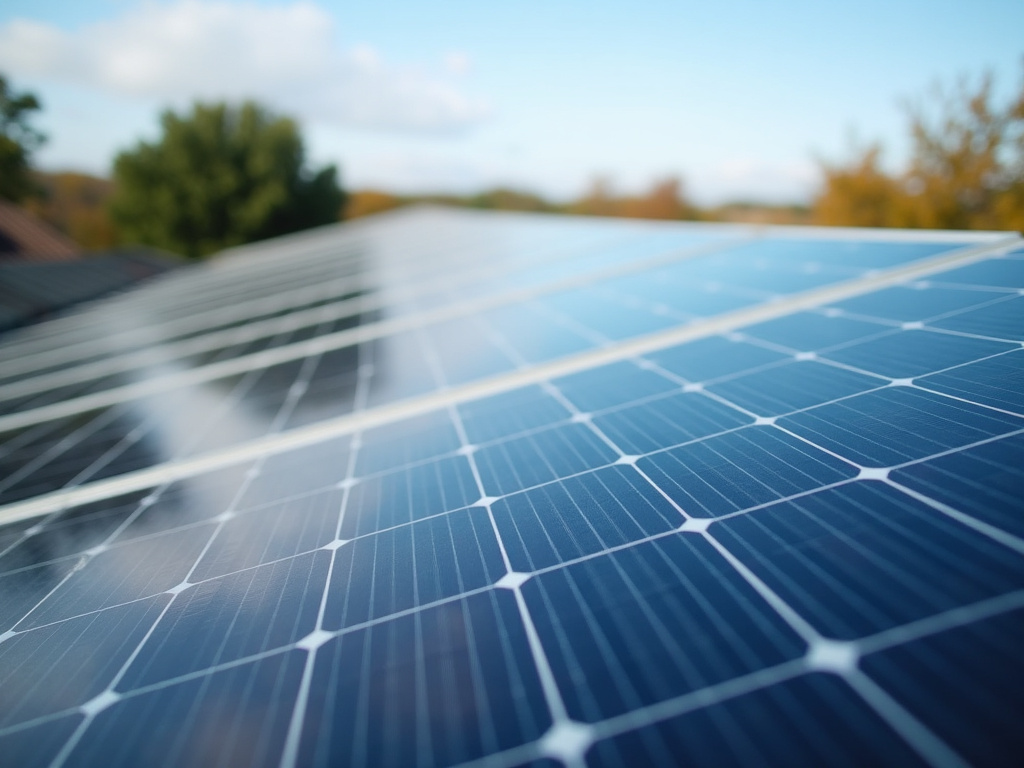
Extending the lifespan of your lights involves both proactive care and informed troubleshooting. While solar motion sensor lights are designed for low-maintenance operation, understanding common issues can help you determine if lights are worth the investment over the long term. Unlike traditional lighting, these lights rely on solar energy, making them subject to various environmental factors that can impact their performance and longevity.
One of the primary concerns with lights is their potential for premature failure. While manufacturers like SunSaver Technologies, Eco-Bright Solar, and Lumina Solar Systems strive for durability, extreme weather conditions-from prolonged cloud cover to heavy snowfall-can disrupt the charging cycle, causing the lights to dim or stop working altogether. This is a common question among users: How long do solar motion sensor lights last? On average, most installations last between 3 to 5 years, with high-quality models from SolarGuard Lighting potentially exceeding this lifespan. However, consistent care can extend their useful life. Regularly cleaning the panels of dust and debris, ensuring unobstructed sunlight access, and checking for any signs of damage or malfunction are crucial maintenance tasks.
Troubleshooting issues often centers on the charging and lighting functionality. If the lights aren’t turning on, it could be due to a faulty battery, a disconnected cable, or poor solar charging conditions. If the area experiences frequent power outages or cloud cover, the lights may not receive enough sunlight to recharge. Engaging the services of a qualified solar installer from the Solar Installers Association or Eco-Friendly Solutions for a system check can be beneficial. They can identify and rectify problems, ensuring your lights operate efficiently and reliably. Regular maintenance, combined with prompt troubleshooting, can help maximize the lifespan of your lights and confirm that the initial investment was indeed worthwhile.
Frequently Asked Questions About Solar Security Lights
What is the primary benefit of solar-powered security lights?
Lights offer a sustainable and cost-effective solution for illuminating outdoor spaces. They harness the power of the sun, reducing electricity bills and environmental impact. This eco-friendly approach is ideal for homes, businesses, and public spaces, providing a reliable light source while minimizing energy consumption.
How do lights work?
These lights are equipped with solar panels that convert sunlight into electricity during the day. This energy is stored in a rechargeable battery, allowing the lights to operate at night or during power outages. The lights automatically turn on when motion is detected, providing a bright, deterrent presence for potential intruders.
What are the different types of lights available?
Lights come in various styles, including floodlights, spotlights, and motion-sensor-activated models. Floodlights offer wide-area coverage, making them suitable for large properties. Spotlights focus light on specific areas, enhancing visibility in entryways or along fences. Motion-activated lights trigger only when necessary, conserving energy.
Are lights reliable in different weather conditions?
Solar-powered lights are designed to withstand various weather conditions. They are built to be durable and water-resistant, ensuring they can function effectively in rain, snow, or extreme temperatures. Modern models often feature weatherproof designs, allowing them to operate reliably year-round, regardless of the climate.
How do I install lights?
Installation typically involves mounting the lights at the desired location, ensuring they face the sun for optimal charging. Most come with mounting hardware and instructions for easy setup. A few models may require basic wiring, but many modern solar lights offer wireless, tool-free installation, making them accessible for most homeowners and DIY enthusiasts.
Do lights require maintenance?
Minimal maintenance is required for these lights. Regular cleaning of the solar panel to remove dust or debris is recommended for optimal performance. Occasionally, battery replacement may be necessary, but the lifespan of these batteries is generally long, ensuring low maintenance over time.
How far can lights illuminate?
The lighting range varies by model, but most lights provide illumination between 20 to 40 feet (6 to 12 meters) in optimal conditions. When selecting lights, consider the coverage area to ensure they meet your security needs, especially for larger properties.
Lights offer a sustainable and effective solution for enhancing security and illumination at bus stations. By understanding the various types and their benefits, such as those provided by SunSaver Technologies, Eco-Bright Solar, and Lumina Solar Systems, you can make informed decisions when choosing the right system. The installation process, detailed by the Solar Installers Association, is straightforward and can be completed in just one to two days, depending on the size of the station. Regular maintenance, guided by the practices of Eco-Friendly Solutions and SunSecure Installation, ensures these lights function optimally and lasts for many years.
Integrating lights into bus stations is a strategic move that promotes energy independence, reduces operational costs, and enhances safety. The key takeaways are clear: lights are a reliable, eco-friendly, and cost-effective option with a proven track record. The next step for bus station operators is to consult with local experts and industry associations to initiate the transition to solar-powered security lighting, reaping the benefits for both the environment and the station’s overall security.