
Key Takeaways
- Solar security lights offer a cost-effective and environmentally friendly way to enhance outdoor lighting and home security.
- Installation times typically range from one to two days, making them a relatively quick solution for improved security.
- LED technology ensures long-lasting performance and reduced energy consumption compared to traditional lighting.
- These lights can be easily programmed to activate at specific times, increasing their effectiveness and energy savings.
- A well-placed solar security light can deter criminals and provide peace of mind, especially in remote or poorly lit areas.
- Many models come with adjustable heads, allowing for customized lighting direction to suit various security needs.
- Regular cleaning and maintenance ensure optimal performance, extending the lifespan of the lights and the investment.
At a glanceSolar security lights are an energy-efficient way to enhance outdoor safety. These lights absorb sunlight during the day and automatically turn on at dusk, providing illumination without additional electrical costs. Their motion sensors detect movement, ensuring bright light only when needed, ideal for deterring intruders and saving energy.
Lights are transforming outdoor lighting, offering a sustainable and reliable alternative to traditional power-hungry options. As energy awareness grows, these lights are a beacon of efficiency, saving money and the planet. However, the transition to solar isn’t always straightforward; proper installation and maintenance are crucial for optimal performance. This article explores the features and benefits of top-tier lights from SunSaver Technologies, Eco-Bright Solar, Lumina Solar Systems, and SolarGuard Lighting. We’ll examine the installation process, maintenance tips, and the expertise of professionals like Green Energy Pros and the Solar Installers Association, ensuring you’re equipped to make the most of this innovative technology.
- Understanding Lights: Benefits and Types
- Installation and Setup: A Step-by-Step Guide
- Maintenance and Best Practices for Longevity
Solar Security Lights: Where to Start
Looking for solar security lights? solar powered motion sensor lights can answer your questions directly.
Understanding Solar Security Lights: Benefits and Types
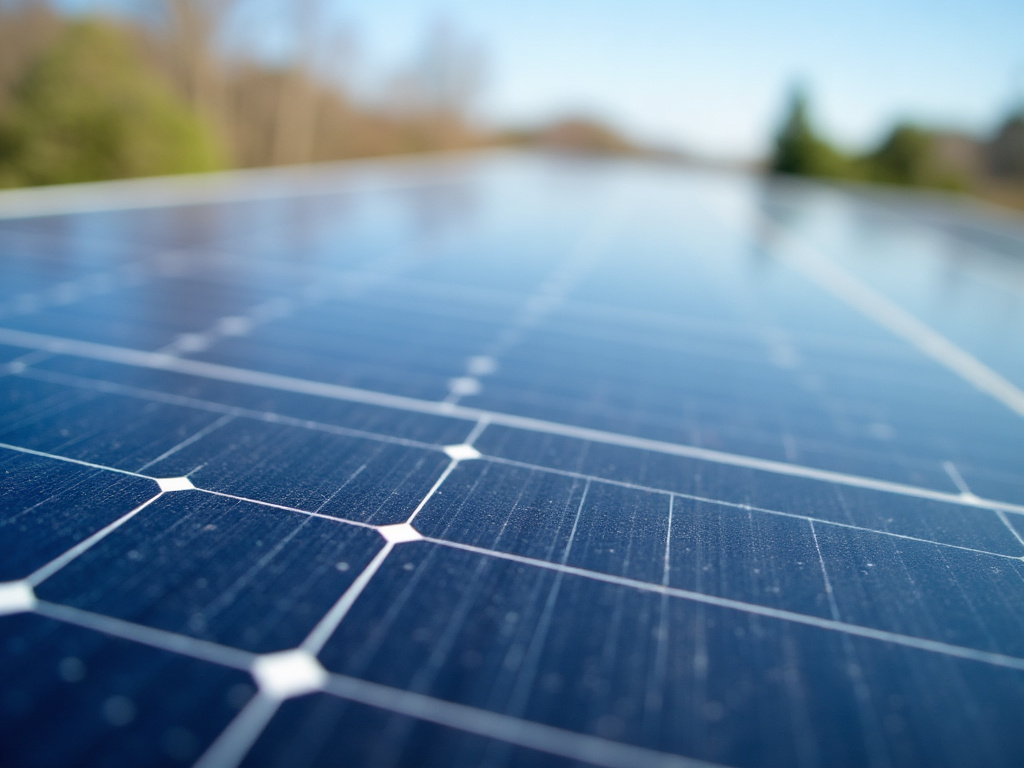
Lights have emerged as a popular and sustainable choice for outdoor lighting, offering a range of benefits that make them a worthwhile investment for many homeowners. These lights, powered by the sun, provide a reliable and eco-friendly alternative to traditional electric lighting. One of the key advantages is their cost-effectiveness. While the initial setup may involve an investment, the long-term savings are significant, as solar lights eliminate the need for grid electricity, reducing energy bills. With the growing emphasis on sustainability, lights align with the green energy trend, minimizing a home’s carbon footprint.
There are several types of lights available in the market, each with unique features. Motion-sensor lights are a popular choice as they activate only when movement is detected, conserving energy and enhancing security. The SunSaver Technologies line incorporates advanced motion sensors, ensuring they provide illumination precisely when needed. On the other hand, lights like those from Eco-Bright Solar often include adjustable sensitivity settings, allowing users to customize their security lighting to suit their preferences. Lumina Solar Systems offers models with longer battery life, ensuring consistent performance even during extended periods without sunlight. SolarGuard Lighting, known for its durable construction, provides lights that can withstand various weather conditions, making them suitable for both residential and commercial spaces.
While lights offer numerous advantages, understanding their potential drawbacks is essential. One common concern is their perceived rapid failure, often attributed to poor quality or harsh environmental conditions. However, this issue can be mitigated by investing in quality products from reputable manufacturers. The Solar Installers Association recommends regular cleaning and maintenance to ensure optimal performance. Removing dust and debris from the solar panels can significantly improve energy absorption. Are solar motion sensor lights worth the investment? Absolutely, especially in regions with ample sunlight exposure, as they provide an efficient, cost-saving, and environmentally conscious security solution.
Installation and Setup: A Step-by-Step Guide

The installation process for solar-powered security lights can be a straightforward, cost-effective way to enhance outdoor lighting and home security. When considering lights, the first step is selecting a reputable manufacturer like SunSaver Technologies, Eco-Bright Solar, or Lumina Solar Systems, each offering a range of models with varying features and capabilities.
Once you’ve chosen your lights, the setup begins with careful planning. Start by assessing your property for optimal placement. These lights typically utilize solar panels, so ensure they receive ample sunlight during the day. A common placement strategy involves positioning them near entryways, driveways, or outdoor areas with high security needs. Installing a series of lights along a dark alleyway can significantly improve visibility and deter potential intruders. After identifying suitable locations, dig small holes for the light posts (SolarGuard Lighting, for example, offers lightweight, easy-to-install posts) and secure them in place. Next, attach the solar panels and ensure they’re facing the sun. Many modern models automatically adjust to the optimal angle, but manual adjustment may be required for optimal performance.
The next critical step is connecting the lights to the power source. Most lights are equipped with motion sensors, so you’ll need to test these sensors to ensure they trigger correctly. A simple test involves simulating motion detection by hand or using a small object to trigger the sensor. Once satisfied with the sensor’s performance, you can mount the light fixtures and connect them to the battery. The final step involves charging the lights’ batteries, which typically take 6 to 8 hours to reach full capacity. After charging, these lights will automatically activate at dusk, providing a reliable source of illumination for your property 24/7. When considering if solar motion sensor lights are worth the investment, remember that they offer a sustainable, cost-effective, and efficient security solution for any home or business.
| Factor | What to know |
|---|---|
| Installation time | Typically one to two days |
| Battery charging time | 6 to 8 hours to full capacity |
| Placement strategy | Near entryways, driveways, high-security outdoor areas |
| Motion sensors | Activate light only when movement detected |
| Maintenance need | Regular cleaning of panels removes dust and debris |
| Battery life option | Lumina Solar Systems offers longer battery life models |
Maintenance and Best Practices for Longevity
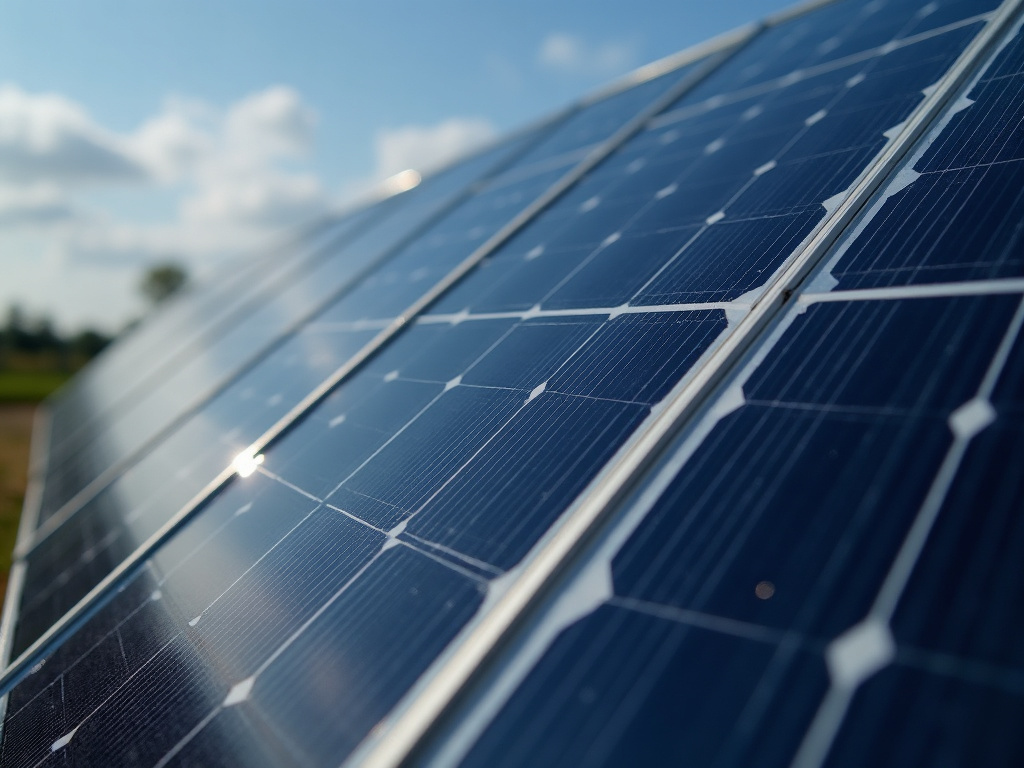
Maintaining lights is crucial to ensure they provide years of reliable illumination and enhance home security. To maximize the lifespan of these lights, regular cleaning and inspection are essential. Debris, dirt, and leaves can accumulate on the panels, reducing their efficiency. A simple and effective maintenance practice is to regularly clear away any obstructions and wipe down the panels with a soft cloth. This ensures optimal sunlight exposure, which is critical for the lights to charge and operate efficiently.
The lights process involves several key steps. First, inspect the lights for any signs of damage, such as cracked lenses or loose connections. Addressing these issues promptly prevents further complications. Next, verify the charging status of the lights. Most solar-powered lights have indicators that show when they are fully charged. Regularly checking and maintaining these indicators ensures you can quickly identify any charging issues. Inspect the mounting and ensure it remains secure, especially in areas prone to strong winds or extreme weather.
Determining whether Lights are worth the investment depends on various factors. While the upfront cost might seem steep, the long-term savings and environmental benefits make them a compelling option. These lights eliminate the need for traditional electricity, reducing energy bills and your carbon footprint. The peace of mind they provide, especially in areas with high crime rates, can be invaluable. Regular maintenance, as described above, ensures these benefits are realized over time.
Frequently Asked Questions About Solar Security Lights
What are lights, and how do they work?
Lights are outdoor lighting systems powered by the sun. They utilize photovoltaic panels to convert sunlight into electricity, which is stored in a rechargeable battery. During the day, the panels charge the battery, enabling the light to operate autonomously at night. A sensor detects motion or darkness, triggering the light to turn on, providing illumination for security and safety purposes.
Are lights reliable in different weather conditions?
Lights are designed to withstand various weather conditions. They often feature weatherproof designs, making them suitable for outdoor use. While performance may be slightly reduced in extremely cloudy or snowy conditions, modern solar panels are efficient and can still generate sufficient power. Regular cleaning of the panels ensures optimal performance in all conditions.
How do I install lights, and does it require professional help?
Installation typically involves mounting the light on a pole or wall, positioning the solar panel towards the sun, and ensuring proper wiring. Many systems come with detailed instructions and all necessary components. While some basic installations can be DIY, complex setups may benefit from professional assistance, especially for larger properties or unique configurations.
What is the maintenance required for lights?
Maintenance is minimal. Regular cleaning of the solar panel surfaces ensures optimal sunlight absorption. Battery-powered lights may require periodic replacement of the batteries. Checking the lights periodically for proper functioning and cleaning or repairing any damage is also recommended. Most models have long-lasting components, reducing the need for frequent maintenance.
Are lights cost-effective in the long run?
Absolutely. While initial installation costs may be higher than traditional lighting, lights offer long-term savings. They eliminate electric bills, as they are powered by the sun. Many models have durable designs, reducing replacement costs. Over time, these lights provide a cost-efficient and environmentally friendly security solution.
How do lights contribute to environmental sustainability?
Lights are an eco-friendly choice as they harness renewable energy from the sun, reducing reliance on non-renewable resources. By eliminating the need for grid electricity, they lower carbon emissions and minimize environmental impact. They can be part of a larger sustainable lighting system, promoting energy efficiency in outdoor spaces.
Lights offer a compelling blend of environmental responsibility and enhanced safety, with various types tailored to diverse needs. By understanding their benefits and selecting the right model, like those offered by SunSaver Technologies, Eco-Bright Solar, and Lumina Solar Systems, homeowners can enjoy energy independence and improved security. Installation, while potentially challenging, is manageable for DIY enthusiasts or with the help of Green Energy Pros or local Solar Installers Association members. Proper setup and regular maintenance, guided by Eco-Friendly Solutions and SunSecure Installation best practices, ensure these lights remain effective and reliable for years. Embracing Lights not only fortifies your home but also aligns with a growing trend towards sustainable living.