
At a glanceSolar security lights transform bus stations into safe, well-lit spaces. Their energy-efficient design leverages sunlight during the day, ensuring bright illumination at night. This sustainable approach reduces electricity costs and enhances security for passengers. Many models feature motion sensors, activating lights only when needed, further conserving energy and money.
Key Takeaways
Solar security lights offer a cost-effective, eco-friendly alternative to traditional lighting, reducing energy consumption and carbon footprint.
Installation times for solar-powered security lights typically range from one to two days, making them a relatively quick solution to enhance outdoor security.
Motion sensors integrated into these lights ensure energy efficiency by only activating when necessary, potentially extending battery life up to 10 years.
The lifespan of solar panels in security lights is generally 25 years or more, providing long-term savings and reduced maintenance needs.
Many models come with adjustable light sensitivity and timing settings, allowing for customization to fit various security needs and environments.
Solar security lights are suitable for a wide range of applications, from residential driveways and walkways to commercial parking lots and alleyways.
Regular cleaning of the solar panels is recommended to maintain optimal energy absorption, ensuring the lights function at their highest capacity.
The shift towards sustainable energy solutions has transformed the way we power our communities, and lights stand as a sign of this evolution. As crime rates rise and lighting infrastructure becomes increasingly vulnerable, the need for robust, reliable security lighting has never been more pressing. Traditional lighting systems often fall short in remote or underdeveloped areas, making them inefficient and costly to maintain. Lights, like those offered by SunSaver Technologies, Eco-Bright Solar, and Lumina Solar Systems, present an advanced alternative. These innovative systems harness the power of the sun, providing both illumination and peace of mind.
The problem lies in the balance between effective lighting for public safety and the high costs associated with conventional lighting maintenance. Lights offer a solution, leveraging renewable energy to create cost-efficient, low-maintenance lighting that enhances public safety and security.
Solar Security Lights: Where to Start
Looking for solar security lights? solar powered motion sensor lights can answer your questions directly.
In this article, we’ll examine the features, benefits, and installation considerations of lights, guided by experts from the Solar Installers Association and Eco-Friendly Solutions.
- Understanding Lights: Benefits and Basics
- Installation Guide: Step-by-Step Process for Solar Lights
- Maintaining and Troubleshooting: Maximizing Solar Security Light Lifespan
Understanding Solar Security Lights: Benefits and Basics
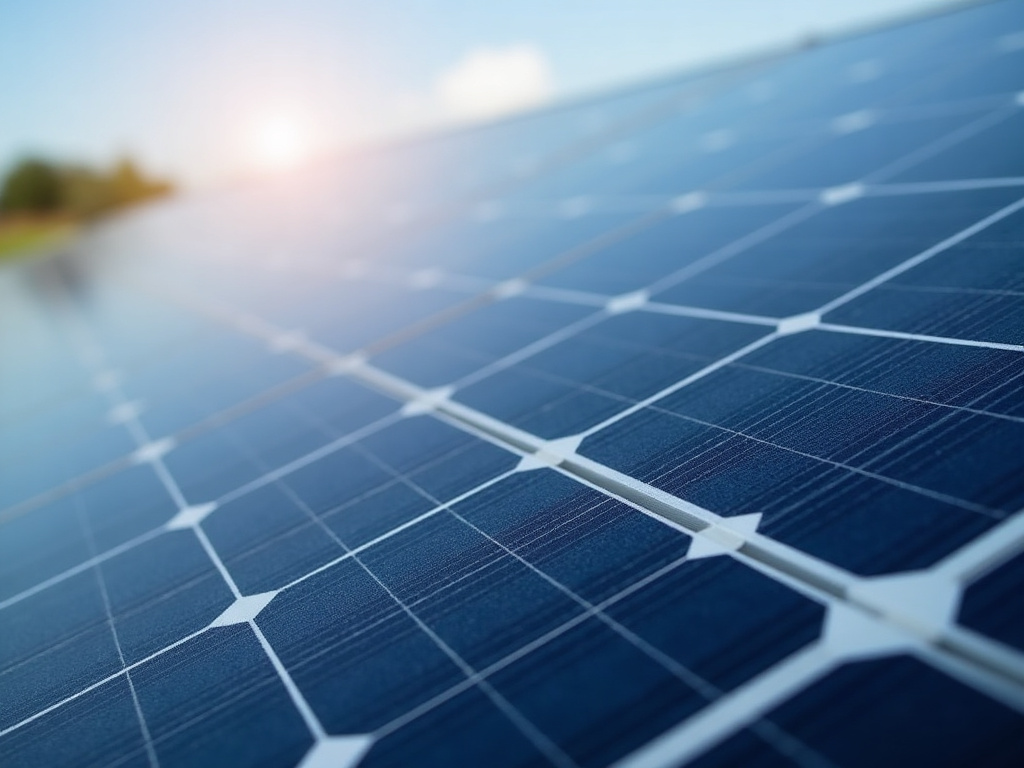
Lights are a growing trend in home and business security, offering a sustainable and cost-effective solution to traditional lighting. Unlike conventional lights, these systems harness the power of the sun, eliminating the need for grid electricity. This not only reduces carbon footprint but also significantly lowers energy costs. The core process involves installing solar panels that collect sunlight during the day and storing it in a battery for use at night or during power outages. Integrated motion sensors trigger the lights, providing a powerful deterrent to intruders.
One of the primary benefits of lights is their longevity. Quality systems, such as those offered by SunSaver Technologies and Eco-Bright Solar, are designed to withstand harsh weather conditions and have a lifespan of 5 to 7 years for the panel and 10 years for the light unit. This extended life is attributed to advanced technologies that protect against corrosion and maximize energy conversion efficiency. However, the performance of solar lights can be affected by factors like frequent power cuts or extended periods of cloud cover, leading to shorter lifespans if not properly maintained. Regular cleaning and inspection, advised by experts from the Solar Installers Association, can mitigate these issues.
The question often arises, "Why do solar lights fail so quickly?" The answer often lies in installation quality, panel orientation, and local climate. Proper installation, as ensured by professionals like Eco-Friendly Solutions, is crucial to maximize sunlight exposure and energy storage. Panels facing away from the sun or blocked by trees or buildings will generate less power. Similarly, extreme temperatures can impact battery health. To ensure optimal performance, regular checks for debris buildup on panels and battery maintenance are essential. A service provider like SunSecure Installation offers post-installation support to address any performance issues promptly.
How long do solar motion sensor lights last? With proper care and optimal conditions, these lights can operate for a decade or more. However, the motion sensor’s sensitivity and the light’s brightness may degrade over time. Regular testing and battery replacement, as recommended by the lights manufacturers, can keep these systems functioning at peak efficiency. Understanding these basics ensures that property owners can make informed decisions when selecting and maintaining lights to enhance their security and contribute to a greener environment.
Installation Guide: Step-by-Step Process for Solar Lights
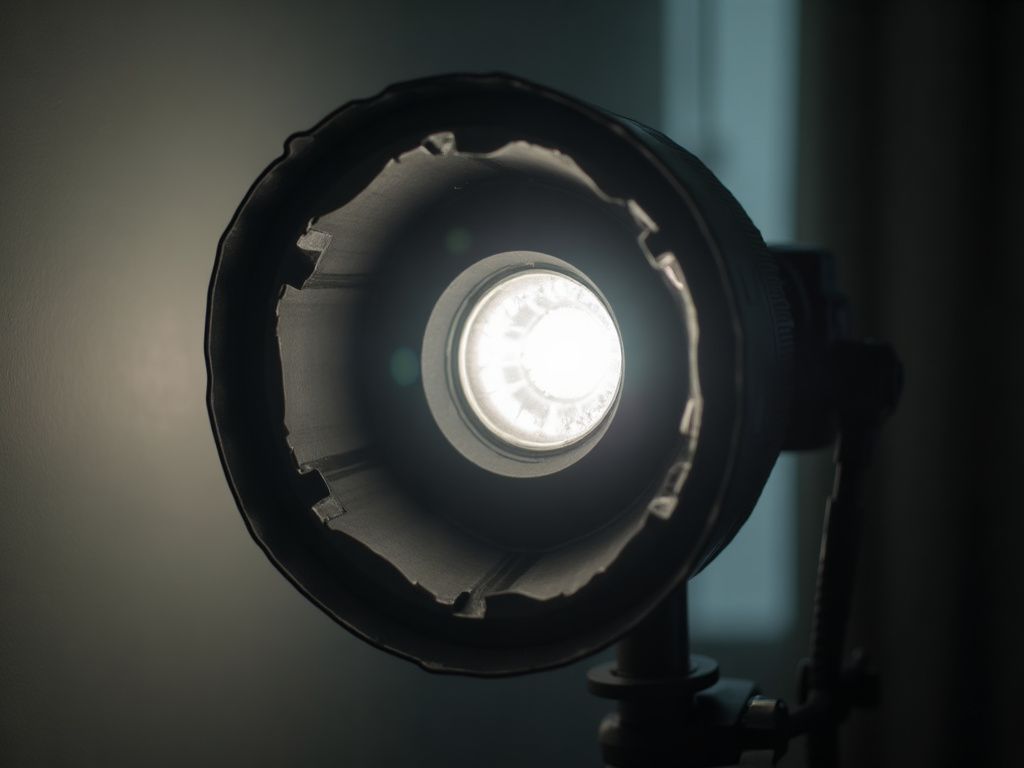
Installing lights is a straightforward process that can enhance your home or business’s safety and energy efficiency. Here’s a step-by-step guide to ensure a successful deployment, addressing common challenges and offering expert insights.
Step 1: Choose the Right Solar Security Light
Start by selecting a reputable brand like SunSaver Technologies, Eco-Bright Solar, or Lumina Solar Systems. Consider factors such as light output, motion sensor range, and weather resistance. High-quality lights are less prone to early failure, which is a common issue with solar-powered devices. Remember, the initial investment in a robust system can save money in the long run, as lights are designed for longevity.
Step 2: Assess Your Location and Installation Site
The ideal location for these lights is a sunny area facing south or west. Ensure the area is clear of obstructions that could block sunlight. Trees or large buildings can significantly reduce the light’s effectiveness. Green Energy Pros and Solar Installers Association recommend checking local regulations and property restrictions before installation, especially for commercial properties.
Step 3: Dig and Prepare the Mounting Hole
Using the provided hardware, dig a hole to accommodate the light’s mounting post. Place the post in the hole and ensure it’s level. This step is crucial for the light’s stability and proper alignment. Once secure, attach the light’s head, ensuring it faces the intended direction.
Step 4: Connect the Solar Panel and Battery
Most lights come with a separate solar panel and battery. Install the panel in a sunny location, ensuring it’s angled for maximum sunlight exposure. Connect the panel to the light’s battery, following the manufacturer’s instructions. This process involves plugging in a cable, similar to connecting a battery-powered device.
Understanding Longevity and Potential Issues
Solar motion sensor lights are designed to last 5-10 years, but their performance depends on factors like exposure to extreme weather and frequent power fluctuations. To prolong their lifespan, avoid placing them in areas prone to heavy debris or direct contact with salt water. Regular cleaning and maintenance, such as wiping down the solar panel, can also significantly extend their operational life.
Addressing Early Failure Concerns Why do solar lights fail so quickly? It's not uncommon for solar-powered devices to experience premature failure. The downside of solar lights is that they rely on sunlight and can be affected by cloud cover, dust, or debris. Regular cleaning and ensuring proper charging under optimal sunlight conditions can help maximize their performance.
| Factor | What to know |
|---|---|
| Installation time | Typically takes one to two days to install |
| Motion sensor benefit | Activates only when needed, extending battery life up to 10 years |
| Solar panel lifespan | Generally lasts 25 years or more |
| Panel/light lifespan (quality systems) | Panel lasts 5-7 years, light unit lasts about 10 years |
| Choosing a light | Consider brand reputation, light output, sensor range, weather resistance |
| Ideal installation site | Sunny area facing south or west, free of obstructions |
Maintaining and Troubleshooting: Maximizing Solar Security Light Lifespan

Maintaining and troubleshooting solar-powered security lights is crucial to maximize their lifespan and ensure they continue to provide reliable illumination. The process involves regular cleaning of the panels to remove any dust or debris that could hinder sunlight absorption, as well as periodic checks for loose connections and damaged components. The Solar Installers Association recommends inspecting lights after severe weather events for any signs of wear and tear.
One of the key advantages of lights is their low maintenance nature, but they do require some upkeep. Using the right cleaning solutions and tools, such as a soft cloth and mild soap, can prolong the life of the panels and ensure optimal energy production. Regular testing of the light's functionality, including its brightness and sensor responsiveness, can help identify any performance issues early on.
To determine if lights are worth the investment, consider their long-term benefits. While the initial setup cost might be higher than traditional lighting, the energy savings and reduced maintenance over time can make up for it. According to Eco-Friendly Solutions, most installations take one to two days, and the lights can last for years with proper care. This longevity, combined with the environmental benefits of solar power, makes lights a smart choice for enhancing property safety while contributing to sustainability.
If troubleshooting persists or components appear beyond repair, it’s advisable to consult with a professional, such as a certified solar installer from SunSecure Installation. They can offer expert advice tailored to the specific model and help with replacement or retrofitting to ensure your lights continue to serve their purpose effectively.
Frequently Asked Questions About Solar Security Lights
What are lights, and how do they work?
Lights are outdoor lighting solutions powered by the sun. They utilize solar panels to convert sunlight into electricity during the day and store it in a battery. At night, the stored energy illuminates the light, providing security lighting for homes, businesses, and public spaces. This eco-friendly approach reduces energy costs and carbon footprint while enhancing safety and deterring intruders.
Why install lights instead of traditional lights?
Lights offer several advantages over conventional lighting. They are environmentally friendly, as they rely on renewable energy, reducing electricity bills and carbon emissions. They are also low-maintenance, requiring no wiring or electricity connection, and are virtually silent. Their remote operation ensures consistent lighting without the need for regular maintenance or replacement of light bulbs.
What types of lights are available?
Lights come in various styles to suit different needs. Motion-activated lights are popular for their sensitivity and energy efficiency. Floodlights provide intense light for wide-area coverage, while path lights illuminate specific walkways. Some models offer adjustable brightness and lighting patterns, allowing for customization to fit various security requirements.
Are lights effective for deterring crime?
While lights do not actively engage intruders, their presence can significantly deter criminal activity. The bright illumination makes it harder for criminals to operate undetected, acting as a powerful psychological deterrent. Their motion-activation feature also alerts nearby residents or authorities of any suspicious activity.
How much do lights cost to install?
The cost of solar security light installation varies based on the system’s size and complexity. Most basic systems start at around $50, while more advanced models with added features can cost up to $300 or more. Installation costs may also vary depending on the location and accessibility of the installation site.
How long do lights last?
High-quality lights are designed to last for several years. The lifespan depends on factors like exposure to extreme weather conditions and the number of charging cycles. Regular cleaning of the solar panel and battery compartment ensures optimal performance and longevity.
Lights offer a sustainable and cost-effective solution for lighting up bus stations and enhancing security. By harnessing the power of the sun, these lights provide a reliable and green alternative to traditional lighting methods. Through a well-planned installation process, as outlined in the step-by-step guide, and with regular maintenance as recommended, lights can significantly improve the safety and accessibility of bus stations while reducing operational costs. The article has highlighted the key aspects of adopting lights, from the initial benefits and features to the practicalities of installation and troubleshooting, emphasizing the value of this technology for any transportation hub aiming to go green. The next step for bus station operators is to partner with specialized installers like Green Energy Pros or SunSecure, ensuring a successful transition to solar-powered lighting and reaping the long-term benefits for years to come.