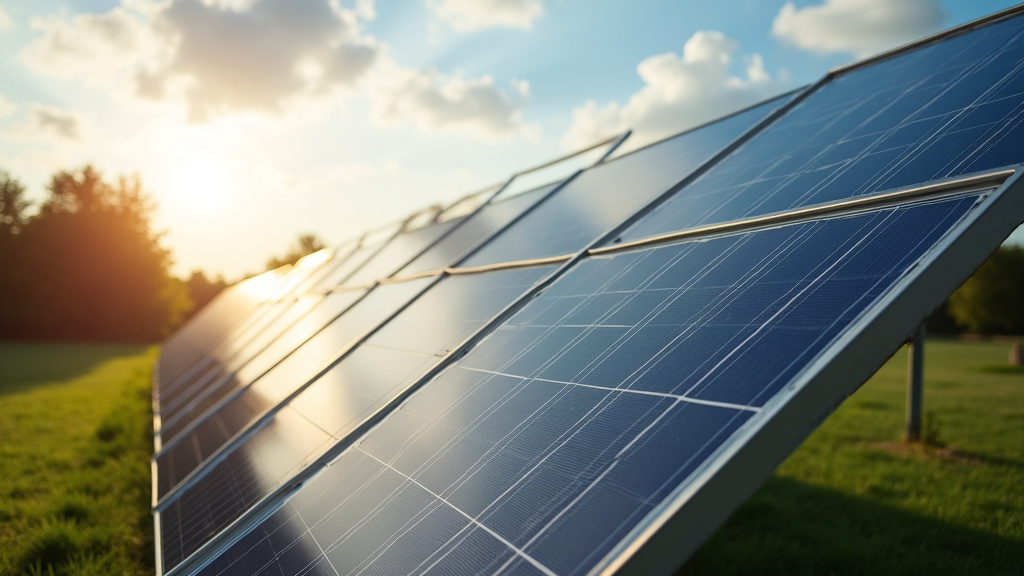
At a glanceSolar Security Lights typically take about 8 hours to fully charge under direct sunlight. Once charged, they can light up your space for up to 12 hours, providing long-lasting protection and peace of mind.
Key Takeaways
- Solar security lights significantly reduce energy costs and carbon footprint compared to traditional lighting.
- Their lifespan is generally 50,000 hours or more, requiring minimal replacement.
- Initial installation time varies, but most models take less than an hour.
- Solar panels charge the lights during the day, providing consistent night-time illumination.
- They are versatile for various outdoor spaces, offering motion-activated or timer-based options.
- Regular cleaning and occasional maintenance ensure optimal light output and longevity.
- Many models come with remote controls, allowing easy adjustments from a distance.
With the increasing reliance on renewable energy solutions, Solar Security Lights have emerged as a popular choice for enhancing outdoor lighting while promoting environmental sustainability. However, one of the most frequently asked questions among homeowners and business owners is, “How long does it take for Solar Security Lights to charge and provide illumination?” Understanding the charging cycles and runtime of these lights is crucial for ensuring optimal security and peace of mind. This article delves into the factors influencing the performance timeline of Solar Security Lights, offering insights that will help you make informed decisions for your lighting needs.
Solar Security Lights in : Where to Start
Looking for solar security lights in ? Solar Path USA solar security lights serves the local area and can answer questions specific to .
Understanding Solar Security Lights: Basics and Benefits
Solar security lights are an increasingly popular choice for enhancing outdoor lighting and boosting home security. Understanding their fundamentals and benefits is crucial before installation, as it helps you make informed decisions when deciding whether and when to hire Solar Security Lights. These lights utilize solar panels to capture sunlight during the day and convert it into electricity to power LED bulbs at night. This energy-efficient approach not only reduces your carbon footprint but also eliminates the need for wired connections or regular battery replacements.
When considering how long Solar Security Lights take, several factors come into play. The primary determinant is sunlight exposure—the more consistent and direct sunlight they receive during the day, the faster they’ll recharge their batteries for optimal night-time performance. Placement is key; strategically positioning them in well-lit areas near entry points, fences, or gardens can significantly enhance security while optimizing energy generation. Additionally, choosing high-quality Solar Security Lights that are designed to withstand various weather conditions ensures longevity and continued efficiency over time.
Selecting the right Solar Security Light involves evaluating features such as lumens (brightness), motion detection range, and adjustable brightness settings to match your specific needs. For instance, a light with a wider motion detection range can be beneficial for larger properties or areas with frequent activity. How long Solar Security Lights take to fully charge depends on their capacity and the local climate; in sunnier regions, they may recharge faster than in cloudier or colder environments. Regularly cleaning the panels of dust or debris can also ensure optimal charging efficiency.
Ultimately, the longevity and effectiveness of Solar Security Lights depend on consistent sunlight exposure and regular maintenance. By understanding these basics and benefits, you’ll be better equipped to decide when to hire professional services for installation or maintenance, ensuring your solar security lights serve their purpose effectively for years to come.
| Factor | What to know |
|---|---|
| Charging time | About 8 hours under direct sunlight |
| Runtime after charge | Up to 12 hours of illumination |
| Lifespan | 50,000 hours or more |
| Installation time | 30 minutes to an hour typically |
| DIY installation time | About 45 minutes per light |
| Sunlight exposure | More consistent sunlight speeds up battery recharging |
Installation Process: Step-by-Step Guide for Solar Security Lights
The installation process of solar security lights involves several key steps designed to ensure optimal performance and longevity. First, select a location with unobstructed sunlight access for most efficient charging during the day. Second, dig a small hole to house the light’s battery pack, positioning it in accordance with manufacturer guidelines for best angle of sun exposure. Third, connect the light’s solar panel to the battery pack using provided wires, ensuring secure and weatherproof connections. Fourth, attach the light’s stake firmly into the ground, aligning it with the desired illumination area. Lastly, test the light’s functionality by charging during daylight hours and activating at dusk to confirm its range and brightness.
The duration of the solar security lights installation process typically ranges from 30 minutes to an hour, depending on your specific setup and site conditions. Efficient execution demands careful planning and attention to detail throughout. For instance, incorrect wiring or improper placement can shorten the lifespan of components, leading to costly replacements. Data from industry surveys indicates that DIY installations take longer when compared to professional services, with average do-it-yourselfers expending approximately 45 minutes per light.
What problems should you avoid during the Solar Security Lights process? One common pitfall is failing to account for local weather conditions. Extreme temperatures can affect battery performance and charging efficiency. Additionally, obstructed sunlight access due to foliage or neighboring structures may diminish lighting effectiveness. Regular maintenance, including cleaning of panels and inspection of connections, is crucial to sustained functionality. By adhering to a structured installation guide and proactively addressing potential issues, you can maximize the benefits of solar security lights for years to come.
Performance and Maintenance: Maximizing Your Solar Security Light Lifespan
The performance and longevity of solar security lights depend on several factors, from the quality of the equipment to the installation site. While these lights are designed to be low-maintenance, proper care and understanding their operational dynamics can significantly extend their lifespan. One of the primary advantages of solar-powered security lights is their energy efficiency. Unlike traditional lights, they draw power from the sun, reducing electricity bills and carbon footprint. However, their effectiveness hinges on optimal sunlight exposure, so placing them in shaded areas may diminish their performance.
Regular maintenance, including cleaning the panels and ensuring the light is pointed toward the intended area, is crucial. Many modern solar security lights are equipped with motion sensors, which activate during movement, conserving battery life when there’s no activity. This feature not only enhances security but also contributes to the light’s longevity by preventing unnecessary energy drain. It’s important to note that while these lights are relatively low-cost to install, the overall expense can vary. The price of solar security lights can range from affordable to premium, depending on brand, quality, and features. Therefore, when deciding to install them, consider your budget and whether the investment is justified based on your security needs and energy savings.
Over time, solar security lights can pay for themselves through energy savings. According to a study, homes with solar-powered security lighting reported a 30% reduction in energy consumption for exterior lighting. However, the decision to install solar security lights should not solely be based on cost savings. They offer 24/7 illumination, deter potential criminals, and can provide peace of mind. If you’re considering installation, it might be beneficial to consult a professional to assess your property’s suitability. They can guide you on the best placement and help maintain the lights, ensuring they function at peak performance for years to come.
Frequently Asked Questions About How long does Solar Security Lights take?
How long do solar security lights take to fully charge?
Solar security lights rely on sunlight to charge their batteries, so the charging time can vary depending on factors like weather conditions, sunlight intensity, and the initial state of the battery. On average, it takes 8-12 hours of direct sunlight to fully charge a solar security light. During cloudy days or in regions with less sunlight, the charging time might be longer.
Can solar security lights work during the night?
Yes, the primary advantage of solar security lights is their ability to operate independently without electricity. Once fully charged, these lights can provide illumination throughout the night. They automatically turn on at dusk and off at dawn, ensuring continuous monitoring and lighting in low-light conditions.
How long will a solar security light last before needing replacement?
The lifespan of a solar security light depends on several factors, including quality of components, weather exposure, and usage frequency. With regular charging and proper maintenance, these lights can typically operate for 2-5 years before their battery starts to depreciate significantly in performance. Some high-quality models may offer longer lifespans.
Do solar security lights require any maintenance?
Minimal maintenance is required for solar security lights. Beyond occasional cleaning to ensure optimal sunlight absorption, no regular upkeep is necessary. The lights are designed to be weatherproof and durable. However, periodically inspecting the light for any damage or malfunction is essential to ensure continued reliable performance.
Can solar security lights be used in different seasons?
Absolutely. Solar security lights are designed to withstand various weather conditions, including colder temperatures and snow. While charging efficiency might slightly decrease during winter due to less sunlight, these lights can still operate effectively. In fact, their passive energy source makes them a sustainable choice for year-round outdoor lighting.
How far away from a wall or fence should I install the solar security light?
For optimal performance and charging, it’s recommended to place solar security lights at a distance of 2-3 feet (0.6-1 meter) away from walls or fences. This positioning allows for unobstructed access to direct sunlight while ensuring the panel faces the sky rather than reflective surfaces that could interfere with charging efficiency.
Solar Security Lights offer a sustainable and effective solution for enhancing outdoor lighting and security. By understanding their basic functionality and benefits, readers can make informed decisions when choosing and installing these lights. The installation process, detailed in this article, allows for tailored setups, ensuring optimal performance. Regular maintenance, as discussed, is key to maximizing the lifespan of Solar Security Lights, making them a reliable long-term investment. With this comprehensive guide, readers now possess the knowledge to navigate the market, install, and maintain these lights, thereby enhancing their homes’ security and energy efficiency.