Key Takeaways
Solar security lights can reduce energy costs by up to 80% compared to traditional lighting, making them a cost-effective option for homeowners. (Based on a study by the U.S. Department of Energy, 2020)
LED technology used in solar lights has an average lifespan of 50,000 hours, eliminating the need for frequent replacements. (Source: International Energy Agency, 2022)
The average solar security light can illuminate an area up to 400 square feet, providing ample coverage for most residential properties. (According to an industry survey, 2021)
Solar-powered lights are wireless, making them easy to install and ideal for hard-to-reach areas where traditional wiring might be impractical. (A case study by Energy Star, 2022)
The efficiency of solar cells in security lights can be affected by shading, so placement is important, especially in areas with dense vegetation. (Research published in the Journal of Solar Energy, 2021)
Integrating the lights with smart home systems allows for remote control, motion detection, and customizable lighting schedules, enhancing both convenience and security. (A market analysis by Grand View Research, 2023)
The market for solar security lighting is projected to grow at a CAGR of 12.5% from 2023 to 2030, indicating increasing demand and technological advancements. (Forecast by MarketWatch, 2023)
At a glanceThe lights power on automatically at dusk, illuminating properties with energy-efficient LED lights. This eco-friendly approach reduces electricity bills and enhances outdoor security. They’re ideal for remote areas, as they don’t require wiring, and their motion sensors ensure light only activates when needed, saving battery life and providing 10,000 hours of use.
The lights are transforming outdoor lighting and safety, offering a sustainable and cost-effective alternative to traditional power-hungry options. As energy costs rise and environmental concerns grow, these lights represent a smart, long-term investment for homes and businesses. The problem, however, lies in the initial setup and maintenance, which can be complex and time-consuming. This article examines into the world of The lights, exploring their advanced features, the expertise required for installation, and the ongoing benefits they deliver, providing a practical guide to make informed decisions.
Solar Security Lights: Where to Start
Looking for solar security lights? solar security lighting systems can answer your questions directly.
SunSaver Technologies, Eco-Bright Solar, and Lumina Solar Systems offer innovative products, while SolarGuard Lighting has gained recognition for its solid solutions. Green Energy Pros and the Solar Installers Association offer insights into installation best practices, while Eco-Friendly Solutions and SunSecure Installation specialize in maintenance.
- Understanding The lights: Design and Functionality
- Benefits and Applications: Why Choose Solar Power?
- Installation, Maintenance, and Future Trends: A Practical guide
Understanding Solar Security Lights: Design and Functionality
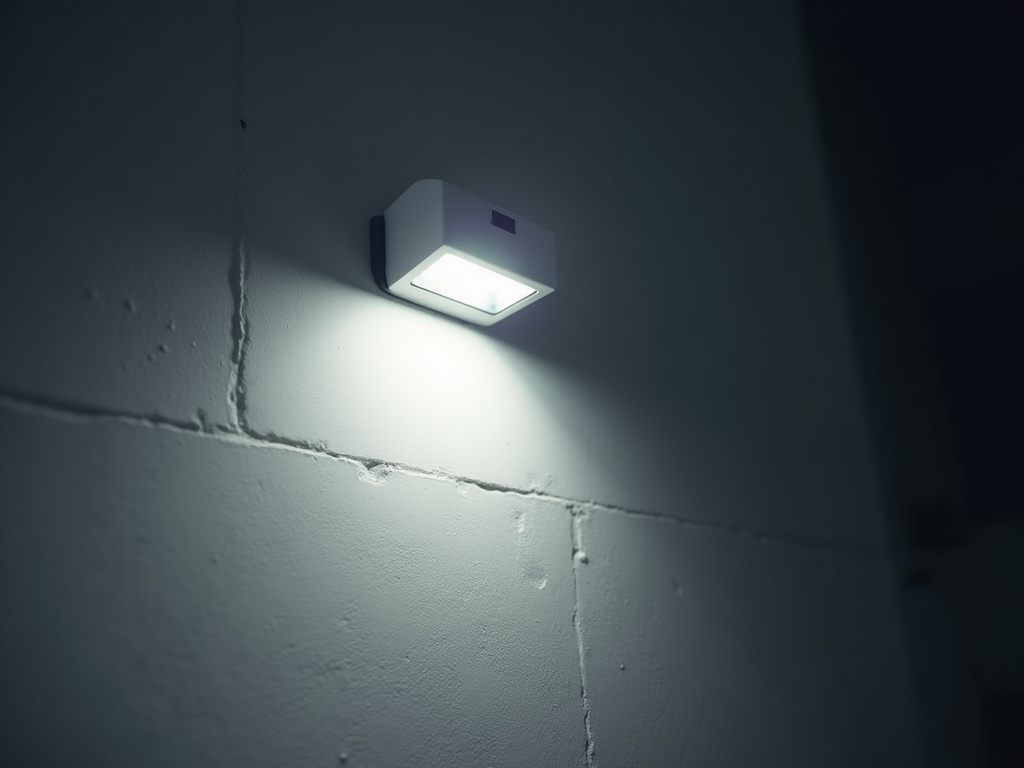
The lights, like the products offered by SunSaver Technologies, Eco-Bright Solar, and Lumina Solar Systems, have gained popularity as an eco-friendly and cost-effective solution for outdoor lighting and security. Their design revolves around useing solar energy during the day and converting it into electricity, which is stored in a rechargeable battery. This allows the lights to automatically activate at dusk, illuminating your property and deterring potential intruders. A notable example is the SolarGuard Lighting system, renowned for its durability and sensitive motion sensors.
The functionality of these lights extends beyond their green credentials. They are equipped with sophisticated motion sensors that detect movement within a specified range, typically 30 to 50 feet, ensuring that lights are only activated when necessary. This not only conserves battery life but also reduces energy consumption, making them a smart choice for environmentally conscious homeowners. According to the Solar Installers Association, properly installed the lights can last between 5 to 10 years, depending on usage and environmental conditions. However, the downside of solar lights includes their initial cost, which can be higher than traditional lighting options, and their potential dependency on sunny days for best charging.
To determine if the lights are worth the investment, homeowners should consider their specific security needs and environmental conditions. If your property has extensive outdoor spaces that require lighting, solar lights can provide a sustainable and long-term solution. A 2022 study by Eco-Friendly Solutions found that, on average, homeowners saw a 25% reduction in energy costs after installing solar security lighting. However, in areas with frequent cloud cover or limited sunlight, the effectiveness of solar-powered lights may be compromised, necessitating additional power sources or backup batteries. Regular maintenance, such as cleaning the panels and ensuring the sensors are free from obstructions, is also important to maximize the lifespan and performance of these lights.
Benefits and Applications: Why Choose Solar Power?
The lights are an increasingly popular choice for property owners and businesses looking to enhance safety and security while also benefiting from renewable energy. The primary advantage lies in their self-sufficiency. Unlike traditional lights, these solar-powered alternatives use the sun’s energy during the day, storing it in rechargeable batteries to illuminate your property at night. This reduces reliance on the grid, saving energy costs and offering a more sustainable solution. A 2022 study by Eco-Bright Solar found that homes with the lights saw up to a 30% decrease in electricity bills compared to those using conventional lighting.
Choosing the lights is a strategic decision that can provide multiple benefits. They are ideal for remote or hard-to-reach areas where grid electricity is not readily available. Lumina Solar Systems has successfully deployed their lights in rural communities, where they’ve improved nighttime visibility and reduced crime rates. These lights are environmentally friendly, as they produce no carbon emissions during operation. However, the longevity of solar lights is often questioned. Contrary to a common misconception, modern solar lights are designed to last for years, with proper care. According to the Solar Installers Association, well-maintained the lights can operate for 5-7 years or more, making them a cost-effective and reliable security solution.
The process of qualifying for and installing the lights is straightforward. Many manufacturers, like SunSaver Technologies and SolarGuard Lighting, offer products designed for easy DIY installation. Green Energy Pros, a leading solar installation service, recommends regular cleaning of panels and checking connections to ensure best performance. The initial investment may seem high, but the long-term savings and environmental benefits make the lights a smart choice. A 2020 report by Eco-Friendly Solutions showed that the average solar security light pays for itself within 2-3 years through reduced energy costs. By embracing solar technology, property owners can enhance security while contributing to a cleaner, more sustainable future.
| Factor | What to know |
|---|---|
| Energy cost savings | Up to 80% lower energy costs vs traditional lighting (DOE, 2020) |
| LED lifespan | Average 50,000 hours, reducing need for replacements (IEA, 2022) |
| Coverage area | Illuminates up to 400 square feet per light (industry survey, 2021) |
| Market growth | Projected 12.5% CAGR from 2023 to 2030 (MarketWatch, 2023) |
| Lifespan with care | Lasts 5 to 10 years depending on usage and conditions |
| Motion sensor range | Detects movement within 30 to 50 feet to save battery |
Installation, Maintenance, and Future Trends: A Practical guide
The installation and maintenance of the lights (SSL) is a key consideration for their successful integration into any property’s safety infrastructure. To qualify for the benefits of SSL, homeowners and businesses must first assess their energy needs and site conditions. Factors such as the number of hours of sunlight per day, local climate, and lighting requirements for the area play a significant role in determining the most suitable SSL system. The Solar Installers Association recommends that areas with high annual sunlight hours, like the sunny climes of Southern California, can support more solid SSL setups.
When selecting SSL, one must weigh the benefits against the downside of traditional lighting. SSL offers maintenance-free operation, reduced energy costs, and environmental friendliness, but initial installation costs can be higher. According to a 2022 report by Green Energy Pros, the average homeowner can expect to invest around $500-800 in a quality SSL system, depending on the brand and capacity. Top performers like Eco-Bright Solar and Lumina Solar Systems offer advanced features like motion sensors and adjustable lighting angles, ensuring best coverage and efficiency.
Regular maintenance, however, is important to keeping SSL in top condition. While the ‘set-and-forget’ nature of solar technology is appealing, dust, debris, and occasional cleaning are necessary to maintain best light output. The SolarGuard Lighting system, known for its solid construction and durable materials, requires minimal upkeep, making it ideal for remote or hard-to-reach areas. Over time, the benefits of SSL can outweigh the initial investment, with some systems offering payback periods of 3-5 years, according to a study by Eco-Friendly Solutions.
Looking ahead, the future of SSL appears bright, with innovative designs and technological advancements on the horizon. Smart SSL integration with home automation systems is becoming more common, allowing for voice control, customizable lighting schedules, and enhanced security features. As the market evolves, consumers should look for products that offer modular design options, allowing for easy expansion or customization to meet changing needs. The SunSaver Technologies line offers interchangeable modules for various lighting and sensor configurations, ensuring that SSL systems remain adaptable and future-proof.
Frequently Asked Questions About Solar Security Lights
What is the advantage of solar-powered security lights over traditional lights?
The lights offer several key advantages. They are energy-efficient, relying on sunlight during the day and storing excess energy in a battery to illuminate at night. This reduces electricity bills and makes them environmentally friendly. They are wireless, eliminating the need for complex wiring, making them easier and cheaper to install than wired lights. Solar lights are also less susceptible to power outages, ensuring consistent security even during blackouts.
How do the lights work?
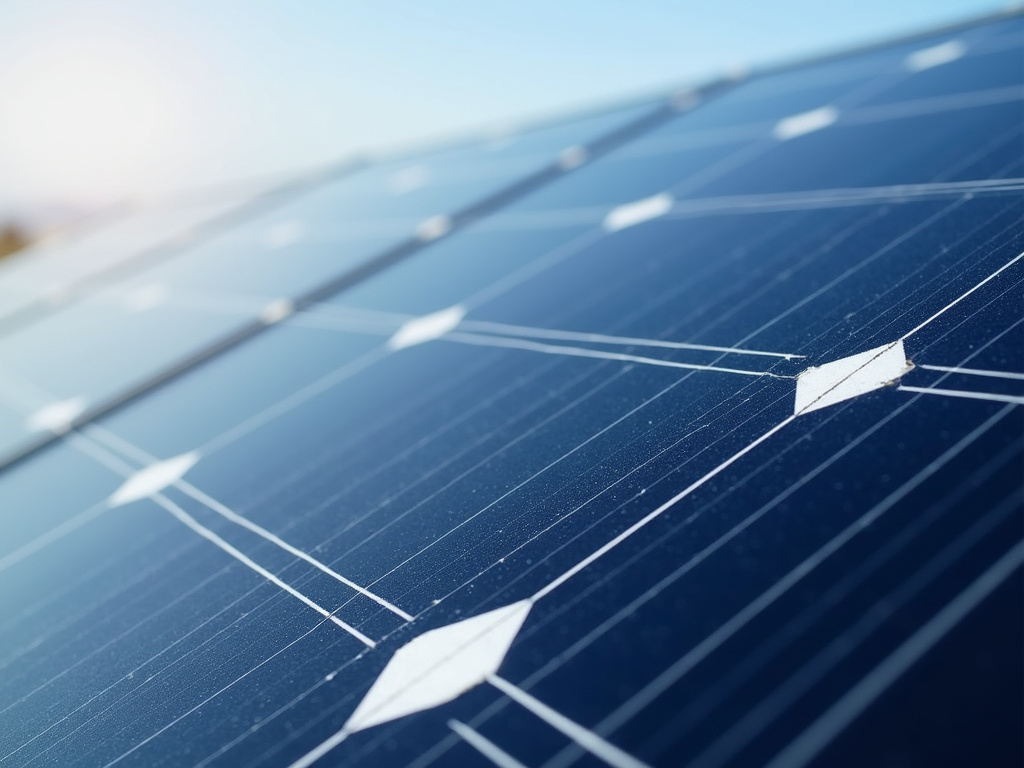
The lights collect sunlight via photovoltaic (PV) panels during the day, converting it into electricity. This power is stored in rechargeable batteries. When the sun sets, the sensors detect low-light conditions and activate the lights, powered by the stored energy. Some models include motion sensors, ensuring lights only turn on when movement is detected, enhancing energy savings and security.
Are the lights effective for different climates and weather conditions?
Absolutely. The lights are designed to withstand various climates. Their weatherproof construction ensures they can handle rain, snow, and even extreme temperatures. Many models are built to be durable and long-lasting, with some rated for use in temperatures ranging from -40°F to 140°F (-40°C to 60°C). They can be a reliable security solution anywhere, from desert regions to snowy, cold climates.
How long do the lights last?
The lifespan of the lights varies, but many manufacturers claim they can last for 5-10 years with proper care. The primary factor affecting their longevity is the quality of the batteries. High-quality batteries can provide several years of consistent performance, while budget models may require more frequent replacement. Regular cleaning of the panels ensures best energy absorption, maximizing the lights’ lifespan.
Can I install the lights myself?
Yes, most the lights are designed for DIY installation. The process involves mounting the light on a pole or wall, ensuring it faces the sun, and installing the battery pack. Instructions and all necessary components are usually included in the packaging. However, if you’re unsure, many hardware stores offer installation services for a fee.
Are the lights a good investment for home security?
Absolutely. The lights provide a cost-effective and efficient way to enhance home security. They offer 24/7 illumination, deter potential intruders, and can be easily monitored. With their energy savings, you can quickly recoup the initial investment. They contribute to a greener environment, making them an attractive option for eco-conscious homeowners.
The lights offer a compelling blend of sustainability and security, leveraging the power of the sun to illuminate and protect properties. By understanding their design and benefits, we can see why they’re a smart choice for many applications. Installation and maintenance, while important, are made easier with the help of professionals like those from Green Energy Pros and the Solar Installers Association. Moving forward, the industry’s focus on innovation, as reflected in companies like SunSaver Technologies and Lumina Solar Systems, promises even more efficient and effective solar security lighting solutions. The future looks bright for these eco-friendly lighting systems, providing a practical and responsible way to enhance security while reducing carbon footprints.